
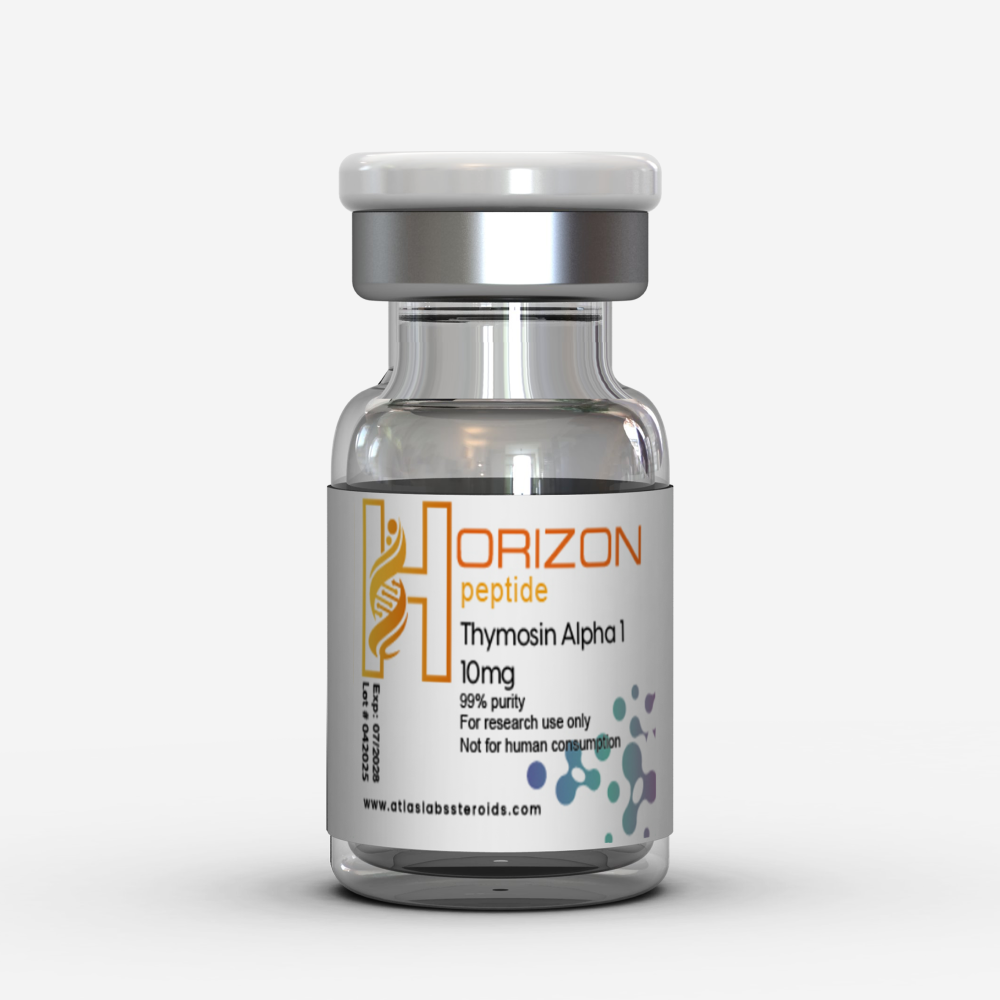
Thymosin Alpha 1 is a synthetic version of a naturally occurring peptide produced by the thymus gland. It plays a key role in immune system regulation. Researchers study it for its potential to support immune function, enhance immune cell activity, and help the body respond to various challenges in preclinical models.
Why Researchers Are Interested in Thymosin Alpha 1
Moreover, Thymosin Alpha 1 stands out because it helps mature and activate T-cells and other immune components. As a result, studies show it can strengthen both innate and adaptive immune responses. In addition, it has been widely researched for its ability to improve immune balance without overstimulating the system.
For these reasons, scientists are highly interested in Thymosin Alpha 1 for studying immune deficiencies, viral infections, chronic conditions, and overall immune support.
Possible Research Benefits
Furthermore, Thymosin Alpha 1 has shown strong potential in several areas. These include:
- Supporting healthy T-cell and immune cell development
- Enhancing the body’s natural defense mechanisms
- Helping regulate immune responses more effectively
- Promoting better resistance to infections in models
- Supporting immune recovery after stress or suppression
- Improving overall immune system balance
Potential Research Applications
For research and laboratory use only — not for human or animal use.
In addition, researchers explore Thymosin Alpha 1 for:
- Boosting immune function in weakened immune models
- Supporting antiviral and infection-related studies
- Helping with chronic immune fatigue research
- Assisting in cancer immunotherapy models
- Promoting immune recovery after treatments
- Supporting vaccine response and adjuvant research
- Improving immune balance in autoimmune studies
- Enhancing overall immune resilience and performance
Disclaimer
Horizon Peptides is not responsible for the use or consumption of this product. This product is sold for research purposes only.
Storage and Handling
- After mixing, store in the refrigerator at 2°C–8°C
- For best results, use within 20–30 days
- Always use sterile tools and follow safe lab practices
Reviews
There are no reviews yet.